Hi Friendos,
This newsletter is for the pet owners out there. I am a dog lover and people who meet me tend to learn about this guy pretty quickly:
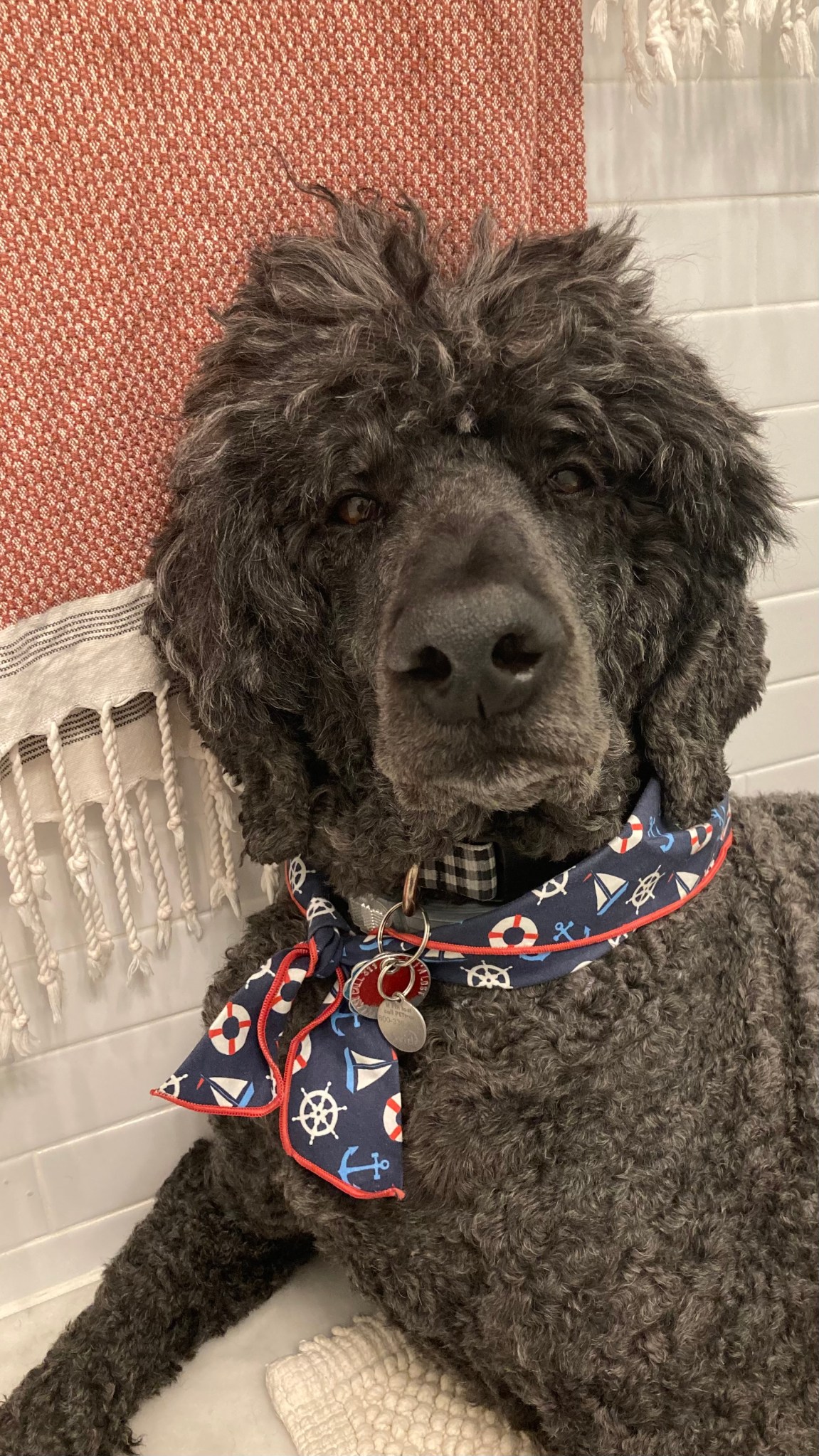
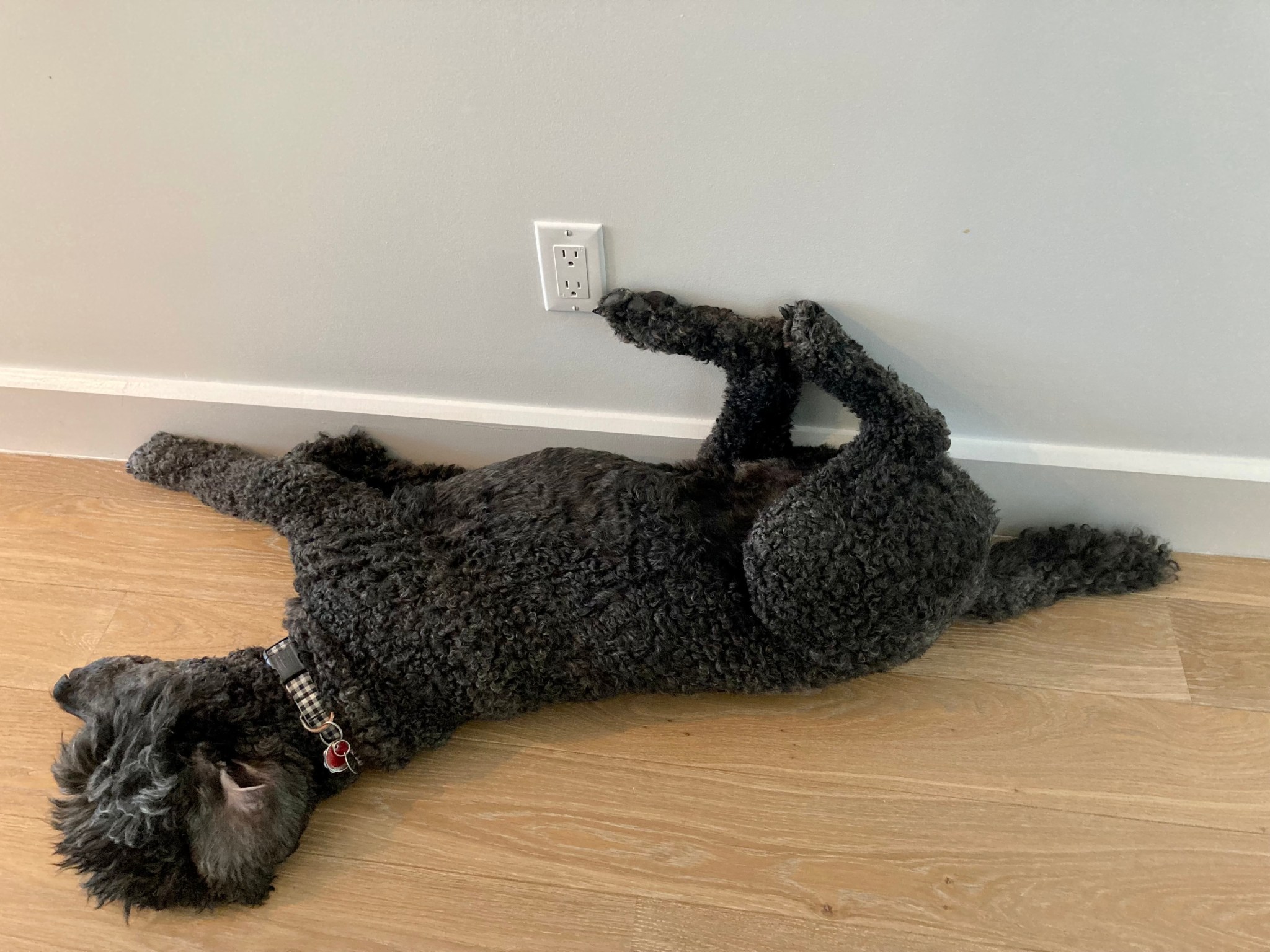
His name is Ollie and he has the best hair in our household. He likes to look at birds, take naps, and eat street garbage that isn’t food. Sometimes he sleeps upside down.
You can see that he has quite a few grey hairs. He turned 7 this summer and has started to get what my neighbor calls “old man lumps and bumps.”
I do all of Ollie’s grooming and last month I was trimming up the hair on his paws when I cut into a growth on one of his toes. I didn’t know it was there!
I won’t give you all the blow-by-blow of the vet visits that followed, but now that emotions have calmed and wounds have healed (Ollie is doing great), I can share a few of my notes:
- The vet discussed with me the possibility of the mass being cancerous and the testing we should undertake to check for this ($500 for a test that might come back inconclusive).
- The vet also recommended an x-ray of his toe ($360) in case this was a cancerous mass that extended into his bone. I had asked what we would do differently if we had that information and the answer was something vague about a potentially different approach in surgical removal.
- The vet’s notes stated the mass “appears cyst-like.” She did not share that assessment with me or that cysts are common, benign, and can often be left alone. I only saw the vet’s notes after I requested a copy of the medical record.
- My vet never brought up the possibility of watching and waiting to see how the paw healed and then deciding if he needed additional treatment.
- She encouraged us to also get the dog a dental cleaning where he would go under general anesthesia (starting at $1,100). Only after I engaged in some serious follow up questioning did the vet state that the dental cleaning was “not urgent” and could be done at a later time.
- She sold us medications for $228.54 that I realized later I could have purchased online for $100.36. That’s an additional markup of 128%.
This veterinarian practice got new ownership a few years ago. The website got an overhaul and now includes an online store where you can buy pet products. I compared prices for several items we regularly purchase and each time the vet’s prices were significantly higher vs online retail sites like Chewy and Amazon. I suspected private equity owners. Here is what the new owners did with the pricing of a basic annual checkup for a dog:
- 2021: $73 (old ownership)
- 2022: $89 (new ownership)
- 2023: $124.50
- 2024: $153.20
Those are year-over-year increases of 22%, 40%, and 23%! A total increase of 110% over 3 years. Holy s***! For comparison, overall inflation in 2022, 2023, and 2024 was 8.0%, 4.1%, and 3.5% (through Sept) or a total of 16.4%. A vet tech told me that I should expect price increases going forward every single year.
I reviewed my records from the prior year when poor Ollie had a yeast infection in one of his paws after it was bandaged. Ollie was playing too hard on some concrete when he met another poodle and cut up his paw pad…things can get very bouncy indeed when two poodles get together. The vet sold us an antibacterial cleaning solution for $8.25 an ounce. Today I can buy that exact same non-prescription item for $0.10 an ounce. That is a markup of more than 8000%.
So now I see the vet is charging a lot more for the same service, recommending things that may not be medically needed, and charging eye-watering markups on products I only now realize I could have purchased for a lot less if I had done the tiniest amount of comparison shopping. I feel like a fool and am wondering: How can I ever trust these veterinarians again?
Private equity now has substantial control over veterinary practices, human doctors, single-family home rentals, air ambulances, and 911 responses by regular ambulances and fire departments. PE is huge in fertility treatment. They are targeting plumbers and HVAC businesses. Cheerleading!
The PE industry claims it earns higher returns for its clients that include entities like university endowments, union pension funds, and public employee pension funds. For example, this study by the CEO of a PE/hedge fund company Cliffwater claims, “Over a 21-year time period ending June 30, 2021, private equity allocations by state pensions produced a 11.0% net-of-fee annualized return, exceeding by 4.1% the 6.9% annualized return that otherwise would have been earned by investing in public stocks.” How does he crunch his numbers? I read his results with a skeptical eye because there are different ways to calculate returns and potential statistical issues like survivorship bias. Notably, other researchers have found that “[PE] investors could have done just about as well with a stock index fund.” But let’s set the skepticism aside and assume this non-independent study of PE is correct. Do the beneficiaries of PE funds, like workers receiving their pensions, even want 4% of additional returns if this is how they get them? They might personally see a small benefit from reduced paycheck contributions to the pension fund (supported by higher investment returns) but then they and everyone else get utterly hosed every time they go to the doctor or the vet, need a plumbing repair, sign a rental lease, or enroll their kid in a club sport?

Naturally I am looking for a new vet and the first question I will ask is, “Is this practice owned by the veterinarians who work here, or is there a corporate owner?” I will also be much more mindful of comparison-shopping prescriptions and other pet items the vet tries to send me home with. These are the tiny things I can do as an individual.
True solutions need collective action and legal and regulatory solutions. Brendan Ballou, former Special Counsel for Private Equity in the Justice Department’s Antitrust Division said, “Private equity advocates want you to believe that no reforms are possible…But the private equity business model has evolved, essentially because of legal incentives, to focus on the short term, to load companies up with debt, to extract fees, and to evade financial and legal liability for their actions…This is a human creation. If we created these broken incentives, we can fix them.”
Indeed we can. A better world is possible.
-Stephanie
p.s. Vote! Vote! Vote!

 Frequently Taxed Questions